EMDR and athletic performance blocks
Certain athletes arrive fully prepared on race day, and yet something holds them back. When traditional psychological skills training fails to produce results, the root cause may lie within memory, lodged in an experience that the brain never fully consolidated. Eye Movement Desensitization and Reprocessing (EMDR), an evidence based psychotherapy originally developed to treat psychological trauma, offers a targeted pathway to address these unresolved traces.
“Canst thou not minister to a mind diseased, pluck from the memory a rooted sorrow, raze out the written troubles of the brain, and with some sweet oblivious antidote” William Shakespeare, Macbeth, Act V, Scene 3
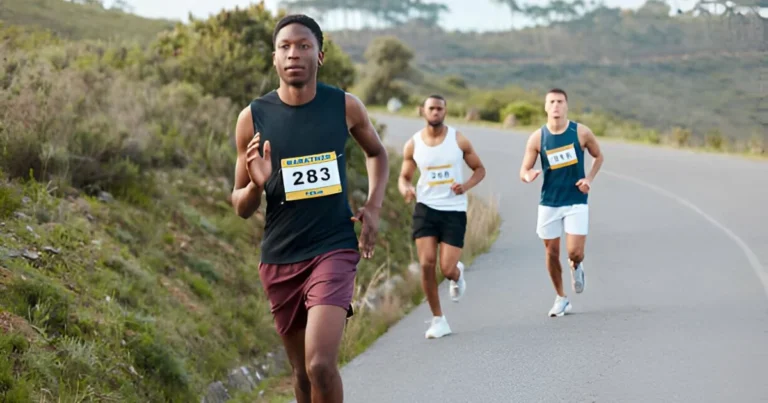
Trackside or along trail running paths, coaches frequently observe the exact same scenario. A runner executes their physical preparation with absolute dedication, posts excellent training sessions, and knows target paces almost better than their own name. On the morning of the competition, the plan unravels. They line up with heightened physical tension, shallow breathing patterns, and within two or three kilometers an intrusive internal monologue takes hold (“I cannot sustain this pace,” “I started too fast”) that becomes impossible to suppress. Mechanically and physiologically, everything is in place. Cognitively and emotionally, execution falters. This divergence between physiological potential and actual execution stands at the intersection of sports psychology and clinical neuroscience, which forms the core focus of this article.
Under these circumstances, conventional mental performance training offers substantial value. Still, instances arise where it reaches its limits, where an athlete applies all the appropriate cognitive tools without achieving clinical or behavioral change. In such scenarios, the deficit rarely stems from inadequate skill acquisition; rather, it reflects an unresolved, hyperactive somatic memory trace. This precise mechanism makes EMDR an intervention of clinical interest in sports performance. The following sections examine the underlying memory processing model, current neurobiological hypotheses, preliminary empirical findings, and two illustrative clinical cases.
🔗 Read also: Trapped in time: How trauma freezes the body and nervous system
The scope and limits of cognitive mental preparation
Mental performance training comprises the systematic cultivation of psychological processes that govern athletic performance, including focused attention, arousal regulation, self efficacy, and cognitive resilience in the wake of failure. In 1998, Jean Fournier at INSEP conceptualized this work as the acquisition of mental skills designed to prepare athletes for the specific psychological demands of competition. The standard repertoire is well recognized: pre performance routines, diaphragmatic breathing, self talk restructuring, and mental imagery. In motor imagery, cognitive neuroscience has empirically validated what practitioners long observed: mentally simulating motor execution engages overlapping neural networks with the physical execution itself (Guillot & Collet, 2008).
Most of these interventions originate from cognitive behavioral frameworks. They serve to instruct, habituate, and facilitate real time coping when emotional arousal surges. They represent conditioning strategies rather than restorative clinical treatments. Consequently, certain athletes acquire and rehearse every technique, only to find involuntary fear resurfacing systematically in identical contexts. In these situations, attributing failure to an execution deficit is clinically inadequate. A more remote neurological trigger appears operative in the background, resembling an alarm calibrated years earlier that was never deactivated.
Incomplete consolidation: the neurobiology of frozen somatosensory memory
The clinical concept of an unintegrated memory trace is well documented. In the late nineteenth century, Pierre Janet (1889) detailed traumatic memories that failed to integrate into personal autobiographical narrative, persisting covertly through behavioral automatisms. Literature recognized this somatic reality long before clinical science. In Shakespeare’s writing, a somnambulistic Lady Macbeth compulsively reenacts washing non existent blood from her hands night after night, as physical action replays what the conscious mind cannot resolve.
For competitive athletes, past experiences frequently manifest somatically. Crossing a starting line, entering a technical mountain descent, or perceiving familiar musculoskeletal discomfort at a specific kilometer can instantly resurrect past physiological stress profiles, complete with visceral panic and protective motor inhibition.
Francine Shapiro, the American clinical psychologist who developed EMDR, built her Adaptive Information Processing (AIP) model around this phenomenon. The human central nervous system possesses an innate capacity to assimilate life events, linking affective and sensory inputs into adaptive neural networks. When an experience carries overwhelming emotional or neurovegetative intensity, this processing stream can undergo acute disruption. As a consequence, the raw experience remains stored in state specific form, retaining its primary affective, visceral, and cognitive components, vulnerable to involuntary reactivation by minimal contextual cues (Shapiro, 2018).
EMDR emerged in 1987. The World Health Organization currently recognizes it as a gold standard, evidence based intervention for psychological trauma (World Health Organization, 2013). During clinical sessions, the individual accesses a distressing target memory within a structured, safe environment while the clinician introduces bilateral alternating stimulation (BLS). This process typically involves horizontal saccadic eye movements, alternating auditory tones, or tactile bilateral tapping on the knees.
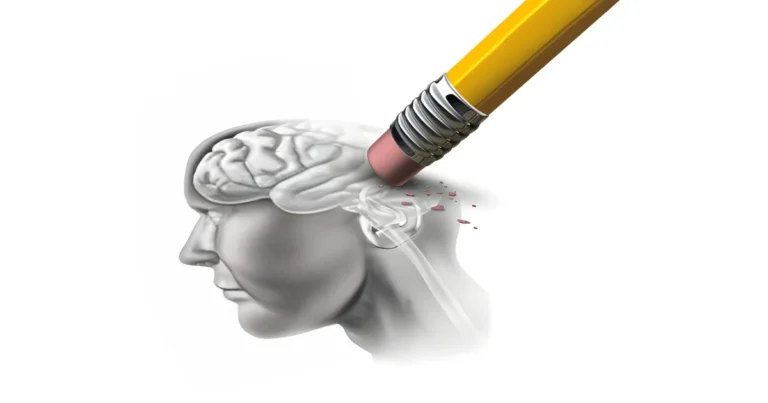
The clinical objective is never memory erasure. The autobiographical event remains intact; however, its affective valence diminishes, eliminating hyperarousal, subjective distress, and maladaptive somatosensory discharge. Patients frequently describe this shift as the brain finally metabolizing an experience that had remained physiologically stuck.
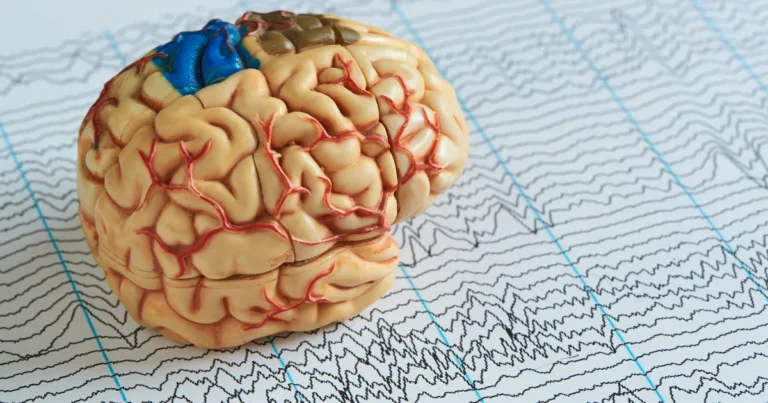
The precise neurobiological mechanisms through which bilateral stimulation operates remain an active subject of empirical inquiry. The most robust empirical model involves working memory taxation. Working memory maintains transient information for immediate cognitive operations, yet possesses strictly limited processing bandwidth. Recalling an emotionally charged episodic memory while executing bilateral ocular tracking concurrently saturates central executive resources. Consequently, the retrieved memory undergoes degradation in sensory vividness and reconsolidates with reduced autonomic and emotional intensity (Van den Hout & Engelhard, 2012). Recent neurophysiological investigations conducted by a German research team demonstrated that bilateral stimulation induces frontal slow wave deceleration while downregulating sympathetic autonomic arousal, yielding reductions in heart rate and respiratory frequency in both post traumatic stress populations and healthy controls (Stingl et al., 2025).
🔗 Explore further: Why artificial intelligence cannot decode human suffering
Current empirical findings in athletic populations
Within sports science, peer reviewed literature investigating EMDR remains preliminary. Nevertheless, existing studies outline three distinct clinical applications.
The Peak Performance protocol, engineered by Sandra Foster and Jennifer Lendl, focuses on cognitive strengthening rather than trauma remediation. The athlete retrieves the sensory representation of a successful competitive execution, encompassing visual cues, somatic states, and inner cognition, while bilateral stimulation serves to anchor and strengthen this neural network. Foster (2012) reported stabilized self confidence, heightened attentional control, and measurable reductions in competitive anxiety following this protocol.
A second body of work evaluates performance blocks, commonly referred to as focal dystonias, the yips, or psychological twists. An automated motor pattern executed reliably for years becomes abruptly impossible to perform, despite preserved structural biomechanics and physical fitness. Golfers define this as the yips, while gymnasts refer to lost move syndrome. As the athlete increases voluntary cognitive control over the movement, motor disruption typically intensifies. Bennett and colleagues (2017) evaluated a professional tournament golfer incapacitated by putting yips for eleven years. Integrating EMDR with progressive graded motor exposure enabled the athlete to recover functional motor fluency and resume competitive play. Denis Hauw (2025) proposed framing performance blocks through Shapiro’s AIP framework: acute physical falls, critical competitive errors, or public humiliation can leave unconsolidated implicit memory traces that persistently trigger defensive neuromuscular inhibition over extended timelines.
Return to sport following athletic injury represents the third empirical domain. In an evaluation of four medically cleared athletes presenting persistent trauma related avoidance and anxiety, a single targeted EMDR intervention produced sustained anxiety reductions and self efficacy improvements. At a two week follow up assessment, these gains remained stable, accompanied by physiological indicators of improved autonomic regulation via heart rate variability metrics (Reynoso Sánchez & Hoyos Flores, 2023).
These data require cautious clinical interpretation, as they derive from small cohort studies and individual case reports lacking randomized control groups. While EMDR maintains rigorous empirical standing within trauma psychiatry, its efficacy in athletic performance optimization requires substantial confirmation through controlled trials.
Clinical case studies: uncoupling pain and panic in competitive runners
Clinical integration within this framework typically proceeds across four systematic phases. The clinician begins with stabilization, developing regulatory resources such as a safe place, an evocative soothing image the athlete accesses should distress escalate. The second stage addresses the desensitization and reprocessing of the specific pathogenic memory underlying the motor or affective inhibition. The third stage installs adaptive cognitive and affective states, typically focused on internal stability or calm focus. The final phase involves a future template, wherein the athlete visualizes optimal execution during forthcoming competitive scenarios, closely mirroring advanced motor imagery techniques. Throughout the process, clinical focus remains anchored in athletic history. The following two case summaries derive from clinical practice; client names have been pseudonymized and both individuals provided written consent for clinical publication.
Arthur, a thirty year old former national level rower, now competes in club distance running with a target marathon finish of 2 hours and 45 minutes. He exhibited severe performance anxiety, obsessive pre race rumination, and an intense dread of physical discomfort. A salient target memory surfaced from the French Rowing National Championships: immediately before the start, he experienced panic regarding physical exhaustion under a coach in whose presence he felt emotionally unsafe. That event crystallized an internal mandate: sink or swim.
Following the reprocessing of this traumatic imprint, clinical sessions addressed his distress tolerance during maximal physiological exertion, followed by marathon specific mental preparation. Arthur completed his target race in 2 hours and 57 minutes on an exceptionally demanding course with genuine cognitive enjoyment, reframing somatic discomfort as an expected physiological component of competition rather than a threat. Arthur attributes his outcome to the comprehensive intervention program, including heart rate variability biofeedback, which prevents isolating the specific therapeutic effect size of EMDR alone.
Paul, thirty seven years old, competes in ultra endurance mountain trails. He maintained dense competitive schedules characterized by minimal recovery periods. Following the completion of a 175 kilometer race, a standard road marathon, and a half marathon within a brief seasonal window, chronic gastrocnemius pain emerged. Despite months of multidisciplinary physical rehabilitation, comprehensive diagnostic imaging revealed no identifiable structural pathology, yet disabling pain persisted.
On the eve of a scheduled half marathon, severe functional antalgia compromised his gait. The clinician initiated an intervention based on the SIBAM framework developed within Peter Levine’s Somatic Experiencing model, systematically processing five primary domains of somatic experience: sensations, images, behaviors, affects, and meanings (Levine, 2010). Localized subjective pain attenuated significantly across the following forty eight hours. Following a second consolidation session, Paul resumed progressive run training and, five months later, completed a 100 kilometer ultra trail without functional limitation or pain recurrence. An isolated case study yields no generalizable proof; however, it indicates that once structural somatic etiologies are ruled out, clinicians must evaluate the role of unconsolidated affective loading in chronic musculoskeletal pain syndromes.
🔗 Discover more: Transforming clinical diagnosis into family connectivity
Breaking the neural loop
An athlete’s neuromuscular system retains implicit traces of adverse experiences, and physical conditioning alone cannot consistently clear these somatic imprints. Mental skills training equips the individual to manage the neurovegetative alarm once triggered. EMDR targets the original neurobiological trigger itself, allowing the neuromuscular system to respond to present competitive demands rather than past emotional trauma.
This therapeutic approach operates alongside, rather than instead of, regular physical training and mental conditioning. It requires a certified clinician collaborating closely with the athlete’s interdisciplinary coaching and sports medicine team. Controlled neuroimaging and clinical trials remain essential to define exact patient indications and to resolve a central theoretical question: whether bilateral sensory stimulation yields therapeutic effects distinct from structured mental imagery alone. Until those parameters are fully clarified, EMDR provides athletes struggling with refractory performance blocks an alternative therapeutic pathway, demonstrating that elite athletic performance reflects the continuous interplay between neuromuscular physiology, memory consolidation, and autobiographical experience.
References
Bennett, J., Bickley, J., Vernon, T., Olusoga, P., & Maynard, I. (2017). Preliminary evidence for the treatment of performance blocks in sport: The efficacy of EMDR with graded exposure. Journal of EMDR Practice and Research, 11(2), 96–120. https://doi.org/10.1891/1933-3196.11.2.96
Foster, S. L. (2012). Integrating positive psychology applications into the EMDR Peak Performance protocol. European Review of Applied Psychology, 62(4), 213–217. https://doi.org/10.1016/j.erap.2012.04.005
Fournier, J. (1998). Introduction à l’entraînement mental. Les Cahiers de l’INSEP, 22, 71.
Guillot, A., & Collet, C. (2008). Construction of the motor imagery integrative model in sport: A review and theoretical investigation of motor imagery use. International Review of Sport and Exercise Psychology, 1(1), 31–44. https://doi.org/10.1080/17509840701823139
Hauw, D. (2025). L’EMDR au service des blocages en sport : théorie, pratique et étude de multiples cas cliniques. Pratiques Psychologiques, 31(3), 193–205. https://doi.org/10.1016/j.prps.2024.11.005
Janet, P. (1889). L’automatisme psychologique. Félix Alcan.
Levine, P. A. (2010). In an unspoken voice: How the body releases trauma and restores goodness. North Atlantic Books.
Reynoso-Sánchez, L. F., & Hoyos-Flores, J. R. (2023). A single-session Eye Movement Desensitization and Reprocessing (EMDR) therapy reduces anxiety and improves self-confidence in athletes with post-traumatic stress associated with injury. International Journal of Sport Studies for Health, 5(2), 9–17. https://doi.org/10.61838/kman.intjssh.5.2.2
Shakespeare, W. (2016). Macbeth (Y. Bonnefoy, trad.). Gallimard. (Œuvre originale publiée en 1623)
Shapiro, F. (2018). Eye Movement Desensitization and Reprocessing (EMDR) therapy: Basic principles, protocols, and procedures (3rd ed.). Guilford Press.
Stingl, M., Schäflein, E., Spieler, D., Henn, M., Hanewald, B., & Sack, M. (2025). Bilateral stimulation: Differential effects in EEG and peripheral physiology. BJPsych Open, 11(6), e278. https://doi.org/10.1192/bjo.2025.10887
Van den Hout, M. A., & Engelhard, I. M. (2012). How does EMDR work? Journal of Experimental Psychopathology, 3(5), 724–738. https://doi.org/10.5127/jep.028212
World Health Organization. (2013). Guidelines for the management of conditions specifically related to stress. World Health Organization.

Suzanne Ridgeway
Psychoanalyst and EMDR Therapist.
Suzanne Ridgeway has been in private practice in Paris for twenty years. Educated at Paris Diderot University (Paris 7) and holder of a University Diploma in Sports Mental Preparation from the University of Lille, she is a member of the French Federation of Psychotherapy and Psychoanalysis (FF2P) and the Synergie EMDR et Clinique professional network. She facilitates mental skills workshops for diverse audiences across Paris. A seasoned marathoner and ultra-trail runner, she also serves as a certified French Athletics Federation (FFA) running coach for a Parisian club.