Alone together: How constant connectivity is reshaping and fragilizing the mind
Never have we been so connected yet so alone. A silent tension reshaping our psyche.
We live in an era of perpetual connectivity. Notifications, messages, endless streams of images and videos create the illusion of being surrounded, of being connected. However, each fragmented digital interaction deprives the brain of the depth inherent to real human relationships. Attention scatters, symbolic processing weakens, and psychological intimacy gradually erodes.
Donald Winnicott emphasized the importance of a stable relational frame, genuine presence, and shared psychic space in the development of the self. Technology, by generating a continuous but superficial flow of stimulation, prevents the psyche from building itself upon a stable foundation.
When the prefrontal cortex never rests
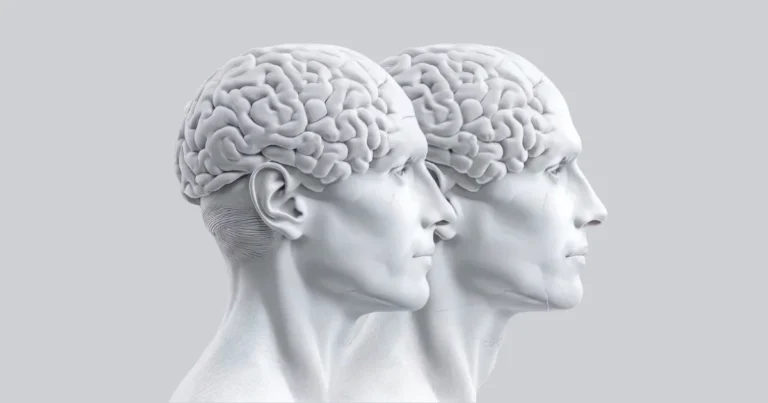
The prefrontal cortex, responsible for regulation, attention, and future projection, is subjected to relentless stimulation. The amygdala remains hyperactive, sustaining a background of silent anxiety and tension. The hippocampus, which encodes emotional memory, fragments experience into fleeting and superficial impressions. Dopaminergic reward circuits become exhausted in the constant pursuit of immediate gratification.
The mind no longer has the time required to metabolize experience. Emotions become fixed in mechanical repetition. We remain alone despite the constant stream of contact.
Each notification captures attention, but every interruption reduces working memory and sustained concentration. Neuroscientific research shows that digital multitasking decreases prefrontal efficiency and weakens memory consolidation. From a psychoanalytic perspective, attentional dispersion undermines the development of complex thought and symbolic capacity. Social bonds become transactional and instantaneous, and the psyche struggles to invest deeply in relationships or creative pursuits. Instantaneity undermines the patience necessary for desire, intimacy, and psychological elaboration.
🔗Read also: Scrolling and the brain: why the swipe never feels like rest
The illusion of connection
Being connected does not mean being emotionally bonded. Digital interactions replace the sensory and emotional richness of human contact. Touch, eye contact, and shared silence are irreplaceable regulators of the nervous system. Without these signals, the amygdala remains on alert, maintaining heightened stress and anxiety.
Attachment circuits and mirror neuron systems receive insufficient stimulation, leaving the psyche vulnerable. Freud and Bowlby converge on a fundamental insight: attachment and emotional security structure both the brain and the psyche. Their absence creates a silent void that is difficult to name but deeply felt.
Chronic micro stress in the digital era
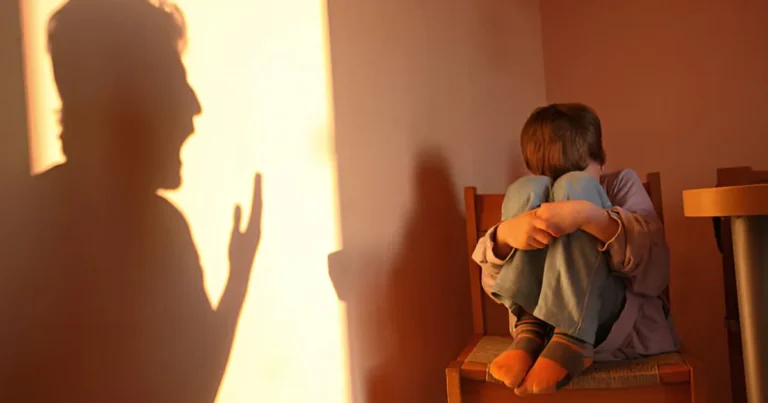
Hyperconnectivity functions as a daily micro trauma. Each unfiltered flow of information, each interruption of concentration, each superficial interaction activates chronic stress pathways. Earlier, often unconscious, traumas may be reactivated, while the psyche lacks the capacity to metabolize them.
The mind oscillates between overstimulation and emptiness, desire and frustration, without ever stabilizing into a coherent rhythm. Technology does not regulate psychological tension. It amplifies it.
Romantic relationships and family bonds are not immune to these effects. Intimacy weakens as psychic projection is constantly interrupted by digital flow. Orbitofrontal circuits, which evaluate relational value and support delayed gratification, become fatigued. Passion may extinguish before it fully emerges. Partners remain digitally connected yet emotionally disconnected in physical reality. Unresolved unconscious patterns and earlier traumas reassert themselves, transforming relationships into repetitive and superficial cycles.
When attention fractures, creativity fades
Desire and creativity are intimately linked to the capacity to tolerate absence and invest in waiting. Digital overstimulation erodes this capacity. Imagination becomes fragile. Complex thinking and artistic creation require time, emptiness, and tolerable frustration.
Without these conditions, the psyche contracts into immediate gratification and shallow repetition. The brain gradually loses its ability to elaborate, symbolize, and transform experience into art, innovation, or meaning.
In this context, therapeutic care becomes essential. It reintroduces distance and the temporal space necessary for psychological maturation. Psychoanalysis and neuroscience converge on this point: establishing a stable frame, restoring patience and sustained attention, and reintroducing tolerable absence and constructive frustration regulate the prefrontal cortex, calm the amygdala, and allow the hippocampus to integrate emotional experiences.
Speech, authentic sharing, and even shared silence become powerful therapeutic tools capable of rebuilding a psyche weakened by hyperconnectivity.
🔗Explore further: Masculine and feminine emotional worlds
Why the brain needs silence
Chosen solitude differs fundamentally from imposed isolation. The former allows the psyche to regulate itself, to symbolize, and to create. The latter isolates and weakens. Learning to tolerate silence, emptiness, and absence becomes an act of care and a reclaiming of desire and creativity.
Neuroplasticity responds to this relearning. The brain gradually recovers its natural architecture of projection, patience, and delayed pleasure.
At the same time, restoring relational depth requires reestablishing authentic sensory and emotional interactions. Touch, eye contact, shared time, and symbolic elaboration reactivate attachment and reward circuits in a sustainable manner. Directed attention, speech, and attentive listening become both neural and psychological acts, regulating emotion and consolidating internal structure.
The goal is not to reject technology but to humanize it. Creating spaces where connection is intentional, limited, and meaningful restores psychological investment. Psychoanalysis demonstrates that limitation and absence are necessary for the emergence of desire, creativity, and projection. Neuroscience confirms that directed attention and modulation of stimulation are essential for plasticity and emotional regulation.
Alone together in a world of constant flow
We are alone together, surrounded by constant flow yet deprived of depth. Modern society glorifies speed and performance, while the psyche requires time, space, and emptiness. Chosen solitude becomes a regulatory tool that allows thought, desire, and creativity to unfold. Modernity imposes immediacy, but the mind demands patience and distance.
The central question remains: how can we reintroduce psychological time, tolerable absence, and directed attention into a world saturated with information and distraction? The answer does not lie in technology itself, but in conscious choice, voluntary regulation of stimulation, therapeutic care, and symbolic elaboration.
The psyche and the brain retain the capacity to readapt, to rediscover their internal rhythm, and to rebuild deep and lasting bonds.
The contemporary crisis of connection is a signal. The brain and the psyche are calling for depth. Tolerating emptiness, reintroducing absence, and consciously choosing the quality of connection restore desire, creativity, and emotional investment. Chosen solitude is not isolation. It is an act of psychological and neural reclamation.
The question remains open: are we capable of restoring a truly human depth to our digital lives?
References
Freud, S. (1920). Au-delà du principe de plaisir. Standard Edition of the Complete Psychological Works of Sigmund Freud, Vol. 18.
McEwen, B. S. (2007). Physiology and neurobiology of stress and adaptation: central role of the brain. Physiological Reviews, 87(3), 873‑904.
Sapolsky, R. M. (2015). Stress and the brain: individual variability and the inverted-U. Nature Neuroscience, 18(10), 1344‑1346.
LeDoux, J. E. (2012). Rethinking the emotional brain. Neuron, 73(4), 653‑676.
Panksepp, J. (1998). Affective Neuroscience: The Foundations of Human and Animal Emotions. Oxford University Press.
Winnicott, D. W. (1971). Playing and Reality. Tavistock Publications.

Flora Toumi
Psychoanalyst, Researcher at the Paris Brain Institute, and Doctor of Philosophy
Flora Toumi holds a PhD in Philosophy and is a neuropsychoanalyst and clinical sexologist specializing in resilience and post-traumatic stress disorder (PTSD). She works with both civilians and members of the French Special Forces and the Foreign Legion, using an integrative approach that combines Ericksonian hypnosis, EMDR, and psychoanalysis.
As a researcher at the Paris Brain Institute, she regularly collaborates with neuropsychiatrist Boris Cyrulnik on the processes of psychological reconstruction.
Flora Toumi has also developed an innovative method for PTSD prevention and founded the first national directory of psychoanalysts in France. Her work bridges science, humanity, and philosophy in a quest to unite body, soul, and mind.