Living with Epilepsy: Why psychomotor therapy matters
Beyond seizures, epilepsy reshapes a person’s relationship with the body, movement, and emotions. An approach centered on bodily experience, such as psychomotor therapy, opens up new possibilities for support and care.
Epilepsy is one of the oldest neurological conditions known to humankind. Paradoxically, it remains one of the least understood by the general public. This misunderstanding is due in part to the wide range of its manifestations. Epilepsy cannot be reduced to the dramatic convulsive seizures often portrayed in the collective imagination. In reality, it encompasses a heterogeneous group of neurological syndromes whose expressions may be subtle, sometimes even invisible, yet deeply disruptive in everyday life.
Still, describing epilepsy simply as a “neurological disorder” does not capture its full complexity. Although seizures result from abnormal electrical activity in the brain, their effects extend far beyond neurobiology alone. They influence movement, body perception, attention, and emotional regulation, placing epilepsy within a broader dynamic in which cerebral, psychological, and relational dimensions are closely intertwined. In this context, an integrative approach becomes essential, one capable of linking these different levels of understanding. This is precisely where psychomotor therapy proves highly relevant, offering a perspective centered on the lived body and the person’s embodied experience.
This article therefore explores epilepsy through a global lens, highlighting its many dimensions and the value of multidisciplinary care focused on the quality of bodily and psychological experience.
From sacred illness to neurological condition
Epilepsy has accompanied human history since its earliest written records. Mesopotamian medical tablets dating back to around 2000 BCE already describe episodes that clearly resemble epileptic seizures: sudden falls, convulsions, and altered consciousness. In those ancient societies, where understandings of the body were largely shaped by symbolic and religious systems, such striking manifestations were often interpreted as the intervention of invisible forces. Seizures were linked to spirit possession or divine wrath, and treatment belonged as much to the realm of religious ritual as to medicine.
In ancient Egypt, certain medical papyri reveal remarkably careful clinical observations, combining empirical descriptions with magical and religious explanations. This coexistence of rational observation and supernatural interpretation marks an important stage in medical history. Even though the causes were still attributed to the sacred, practitioners were already attempting to describe symptoms in a systematic way.
A decisive shift occurred in ancient Greece with Hippocrates. In On the Sacred Disease, he broke with the dominant mystical views of his time by arguing that epilepsy was a natural disease of the brain. He maintained that it had physical causes and could be studied through clinical observation. This position was revolutionary for its time. It laid the foundations for rational medicine and inaugurated a tradition of scientific inquiry that would have a lasting influence on Western medical thought.
Despite this conceptual advance, supernatural interpretations persisted for many centuries, especially during the Middle Ages, when epilepsy remained closely associated with religious beliefs. People living with the condition could be marginalized, feared, or excluded. The Renaissance initiated a slow return to a more anatomical and physiological understanding of the human body, supported by the development of dissection and the systematic study of the nervous system.
It was truly in the nineteenth century, with the rise of modern neurology, that the understanding of epilepsy advanced decisively. European clinicians began to describe the different forms of seizures with greater precision and to search for their cerebral correlates. The work of John Hughlings Jackson played a major role in this evolution. He proposed a dynamic view of seizures as the result of abnormal electrical discharges in the cerebral cortex and established links between lesion localization and clinical symptoms. His observations helped lay the foundations of modern neurology and introduced the idea that the brain functions through a complex hierarchical organization.
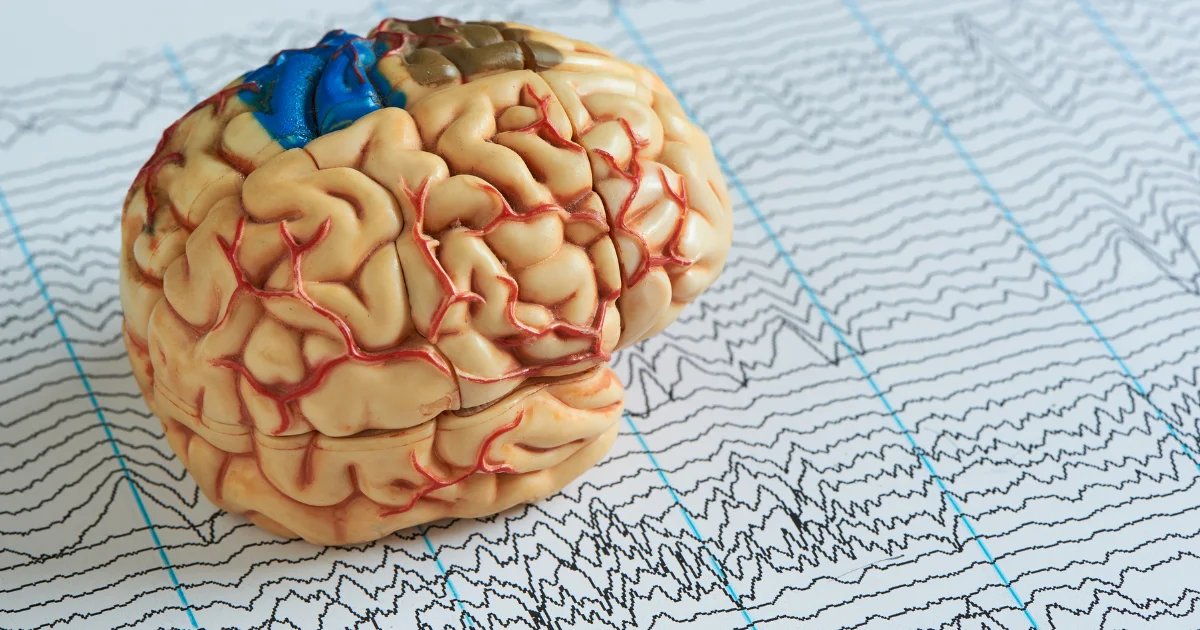
The twentieth century marked a major technological turning point with the invention of electroencephalography. In 1924, Hans Berger recorded the electrical activity of the human brain for the first time. The electroencephalogram, or EEG, quickly became a central tool in the diagnosis of epilepsy. It made it possible to visualize the electrical abnormalities associated with seizures and to refine their classification. This advance transformed clinical practice by providing direct, noninvasive access to brain function.
Throughout the twentieth and twenty first centuries, research in neuroscience, brain imaging, and pharmacology greatly expanded our understanding of the mechanisms involved in epilepsy. Advances in MRI, functional neurosurgery, and anti seizure treatments opened up new therapeutic possibilities. At the same time, epilepsy gained recognition as a major public health issue on the international stage. Organizations such as the World Health Organization and the International League Against Epilepsy have played an essential role in developing diagnostic classifications, coordinating research, and fighting stigma.
This historical evolution is not merely a story of accumulating scientific knowledge. It also reflects a profound shift in the way people living with epilepsy are perceived. The gradual movement from a mystical view to an integrative scientific approach has changed the lens through which epilepsy is seen, from fear and exclusion to understanding, care, and support. Today, this perspective paves the way for multidisciplinary care pathways bringing together neurology, neuropsychology, psychiatry, and psychomotor therapy.
In this context, psychomotor therapy stands as the heir to a history in which the body is no longer viewed merely as a biological object of study, but as a place of lived experience. It extends this evolution by offering an approach that connects advances in neuroscience with attention to subjectivity, relationship, and embodied life. The history of epilepsy thus appears as the story of a progressive humanization of the medical gaze, an essential condition for developing comprehensive and respectful therapeutic support.
🔗Read also: Where body and mind meet: The crossroads of psychomotricity
What happens in the brain during epilepsy
From a neurological standpoint, epilepsy is defined as a lasting predisposition of the brain to generate spontaneous epileptic seizures as a result of excessive, abnormally synchronized, and transient electrical activity within neuronal networks. To understand this phenomenon, it is useful to recall that the brain functions through an extremely delicate balance between neuronal excitation and inhibition. Neurons communicate through electrochemical signals regulated by excitatory neurotransmitters, such as glutamate, and inhibitory neurotransmitters, such as GABA. In epilepsy, this balance is temporarily disrupted. Groups of neurons enter a state of hyperexcitability and discharge in synchrony, creating a disturbance that spreads through cerebral circuits.
This discharge is not an isolated event, but the expression of a network based organization. Contemporary research shows that epileptic seizures involve distributed neuronal circuits rather than strictly localized foci. Epilepsy can therefore be understood as a disorder of brain network dynamics, affecting functional connectivity between different regions.
Seizures are classically divided into focal seizures and generalized seizures. Focal seizures originate in a circumscribed brain region, and their manifestations reflect the function of that area. A seizure involving the motor cortex may trigger localized jerking. One affecting the temporal regions may be accompanied by intense memory related or emotional phenomena. Involvement of the parietal areas may generate unusual bodily sensations. Generalized seizures, by contrast, involve bilateral networks from the outset and are often associated with impaired consciousness and diffuse motor manifestations.
The contemporary classification of epilepsy developed by the International League Against Epilepsy highlights the diversity of epileptic syndromes and the importance of considering etiology, whether genetic, structural, metabolic, immune related, or unknown. This diversity explains the broad variability in developmental and functional trajectories observed among people living with epilepsy.
Beyond the paroxysmal event of the seizure itself, epilepsy unfolds within a broader temporal framework. Neurodevelopmental changes may appear when seizures occur early in life, a period during which the brain is still maturing. Processes of brain plasticity, usually adaptive in nature, can be disrupted by repeated epileptic discharges. This may influence the structuring of circuits involved in movement, perception, and cognition.
From a neurofunctional perspective, several motor dimensions may be affected. Alterations in muscle tone may manifest as difficulties in tonic regulation, postural instability, or increased fatigability. Motor coordination may be disrupted by difficulties in sensorimotor integration and movement synchronization. Motor planning, meaning the capacity to organize and anticipate action, may also be impaired, particularly when frontoparietal networks are involved.
Anti seizure treatments, although essential for seizure control, may also influence neurological functioning. Some medications affect alertness, processing speed, or motor coordination. This pharmacological dimension must be taken into account in any global assessment of the person’s functioning.
Advances in neuroimaging and electrophysiology have profoundly renewed our understanding of epilepsy. Structural MRI can identify sometimes subtle brain abnormalities, while functional MRI and magnetoencephalography shed light on the dynamics of neuronal networks. Electroencephalography, inherited from the pioneering work of Hans Berger, remains a central tool for analyzing cerebral electrical activity and understanding the temporal structure of seizures.
Within this broader neurological perspective, epilepsy appears as a disorder involving both brain structure and brain dynamics. Its effects on tone, coordination, posture, and motor planning constitute a key field of intervention for psychomotor therapy. The psychomotor approach complements neurology by translating neurobiological data into concrete therapeutic goals aimed at supporting motor organization, tonic and emotional regulation, and functional adaptation.
By working on movement quality, body perception, and sensorimotor integration, psychomotor therapy also contributes indirectly to processes of brain plasticity. Repeated and meaningful motor experiences promote the reorganization of neuronal networks and strengthen adaptive capacities. The neurological perspective therefore does more than describe a pathology. It also helps identify the mechanisms through which psychomotor intervention can support the brain in its capacity for transformation.
🔗Explore further: When Alzheimer’s disrupts the body’s inner map
The hidden cognitive and emotional burden of epilepsy
Beyond its strictly neurological dimension, epilepsy deeply affects cognitive and psychological functioning, which justifies an integrative analysis at the intersection of neuropsychology and neuropsychiatry. Whether focal or generalized, epileptic seizures are not isolated events. They are embedded in global brain functioning and influence information processing, memory, and the organization of action.
From a cognitive perspective, numerous studies show that people with epilepsy may present a range of difficulties depending on age, seizure type, the localization of epileptic foci, and the duration of the condition. Attention and concentration may fluctuate, with episodes of increased distractibility, particularly in children and adolescents, affecting school learning or the completion of complex tasks. Memory, especially episodic memory, may also be affected, particularly when temporal structures are involved, leading to difficulties retaining new information or retrieving recent memories. Executive functions such as planning, organization, anticipation, and cognitive flexibility may be impaired, making it harder to manage complex or multitask situations. Finally, slower processing speed is frequently observed, often accompanied by increased cognitive fatigue.
These impairments are not systematic, and their severity varies according to clinical profiles and treatment regimens. Anti seizure medications, although indispensable for seizure control, may themselves produce cognitive side effects such as drowsiness, psychomotor slowing, or attentional difficulties.
From a neuropsychiatric standpoint, epilepsy is associated with a higher frequency of emotional and behavioral disorders. Anxiety disorders are particularly common, often linked to fear of an impending seizure, which may be preceded by an aura. This can generate hypervigilance and avoidance behaviors. Mood disorders, especially depression, are also common, particularly in chronic forms of epilepsy. Added to this are psychosocial difficulties related to the unpredictability of seizures and the persistence of stigma, which may impair social interactions, self image, and participation in everyday life, both in children and in adults.
These cognitive, emotional, and social dimensions are closely intertwined with the neurological and motor aspects of epilepsy, forming a complex system in which difficulties influence one another. This interconnection underscores the need for a coordinated and global approach.
Within this framework, psychomotor therapy holds a singular place. By working at the interface between the body and the psyche, it offers a therapeutic space in which emotional, cognitive, and relational dimensions can be mobilized together. Through adapted bodily mediations, it promotes emotional regulation by allowing patients to express and organize their inner experience. It also helps strengthen body image and the sense of internal safety, both of which are often undermined by the unpredictability of seizures.
How epilepsy disrupts perception, movement, and bodily security
Epilepsy does not simply alter the brain’s electrical activity. It also profoundly shapes the way the body perceives and processes sensory information. In some individuals, atypical patterns of sensory processing are frequently observed, reflecting difficulties in filtering, organizing, and modulating environmental stimuli.
These patterns may appear as sensory hypersensitivities, in which certain visual, auditory, or tactile stimuli become sources of discomfort or overload. They may also take the form of difficulties with multisensory integration, making coordination between perception and action more complex and resulting in clumsy gestures or altered movement synchronization. In addition, some individuals present sensory modulation disorders, with overly intense or insufficient responses to stimulation, which may lead to fatigue, anxiety, or avoidance behaviors.
Added to these disturbances are auras, the sensory phenomena that may precede certain seizures and that illustrate the richness and complexity of perceptual experience in epilepsy. These auras may take visual, auditory, vestibular, or proprioceptive forms and are often accompanied by intense bodily sensations. Although sometimes brief, such experiences influence emotional and motor regulation and contribute to an unstable relationship with the body.
In this context, the role of the psychomotor therapist is to support these experiences by using the body as a therapeutic mediator. The aim is to foster sensory integration, stabilize motor responses, and support emotional regulation. Interventions rely on a range of therapeutic mediations tailored to the needs and sensitivities of each individual.
Tactile mediations, through massage or the handling of objects with different textures, help improve body awareness and sensory discrimination. Vestibular mediations, involving rocking, rotation, or balance activities, help stabilize posture and refine spatial perception. Proprioceptive mediations, such as exercises involving muscle effort or weight transfer, reinforce awareness of body segments and support tonic regulation. Finally, multisensory approaches combining several perceptual modalities promote better coordination between sensation and action.
The overall aim of these interventions is to reduce hypervigilance and anxiety related to unexpected stimulation while strengthening the sense of bodily safety and control. This work also helps improve movement fluency, anticipation, and motor adaptation in everyday situations. Beyond the therapy sessions themselves, sensory integration represents a major lever for the development of autonomy and social participation. It supports better tonic and emotional regulation, facilitates learning, and strengthens self confidence. Considering epilepsy through a sensory and sensorimotor lens therefore makes it possible to link perception, motor function, and emotional experience within a global, person centered approach.
🔗Read also: Mental health begins in the body
The role of psychomotor therapy in epilepsy care
From a psychomotor perspective, epilepsy cannot be reduced to an isolated brain disorder. It profoundly transforms the relationship a person has with their body. Seizures, whether convulsive or more subtle, create ruptures in the continuity of embodied experience. Their unpredictable nature may generate bodily insecurity, hypervigilance, and fear of movement, with repercussions for motor development, self confidence, and social participation.
In this context, psychomotor assessment plays a central role. It focuses on how the body is perceived, lived, and engaged, integrating motor, sensory, emotional, and cognitive dimensions. It helps identify the person’s strengths and vulnerabilities in order to build an adapted intervention plan. The assessment notably examines tonic and emotional regulation, the quality of balance and coordination, body schema, praxis, and the capacities for sensory and sensorimotor integration.
Seizures and the anxiety associated with them may disrupt muscle tone, leading to states of hypertonia or rigidity as well as difficulty modulating bodily activation. Coordination and movement fluidity may also be altered, in connection with difficulties in sensorimotor integration or a lack of trust in the body. In addition, epilepsy may affect body representation and the ability to organize action in time and space, making certain gestures more hesitant or avoided.
Based on this assessment, psychomotor intervention relies on an individualized approach designed to ensure safety, comfort, and therapeutic effectiveness. It is grounded in precise knowledge of the type of epilepsy, the characteristics of the seizures, and the triggering factors, such as fatigue, stress, sleep deprivation, or certain sensory stimulations, so that sessions can be adapted and risks reduced.
The therapeutic environment is arranged in a safe manner, with measures in place to prevent injury and limit excessive stimulation. The psychomotor therapist remains attentive to warning signs of seizures in order to adjust or interrupt activity when necessary.
Sessions rely on a range of mediations aimed at restoring continuity in bodily experience and strengthening adaptive capacities. Exercises involving coordination, balance, and rhythm help improve motor organization and movement fluidity. Relaxation and breathing techniques support tonic regulation and reduce stress. Sensory and body based mediations promote sensory integration, body awareness, and the adjustment of motor responses. Playful activities, meanwhile, support motivation, participation, and self confidence.
The goal is to strengthen the sense of bodily safety, improve coordination, and develop capacities for motor adaptation. This work enables the person to anticipate gestures more effectively, manage their body more confidently in varied situations, and reduce anxiety related to the unpredictability of seizures.
Beyond the sessions themselves, these gains are gradually transferred into everyday life. The intervention aims to improve participation in school, work, and social activities while strengthening confidence in one’s bodily capacities. In both children and adults, the objective is to help the person reclaim their body in concrete life contexts.
Psychomotor therapy is ultimately part of an interdisciplinary process involving neurologists, neuropsychologists, and psychiatrists. This coordination helps ensure comprehensive, coherent, and evolving care.
Psychomotor therapy therefore goes far beyond motor intervention alone. It offers an integrative approach linking body, emotions, and cognition, thereby helping improve quality of life and autonomy for people living with epilepsy.
Toward a humanistic and integrative approach
Epilepsy cannot be reduced to a simple succession of seizures. Each episode, whether visible or preceded by an aura, leaves a mark on bodily experience, self perception, and the way a person interacts with their environment. These experiences create a particular relationship with the body, often shaped by constant vigilance, adaptation to motor and sensory fluctuations, and ongoing negotiation with emotion. Psychomotor therapy offers a privileged framework for exploring this lived experience by considering the biological, psychological, and relational dimensions at the same time.
From a biological and neurological standpoint, psychomotor therapy takes into account the impact of seizures on tone, balance, coordination, and motor functions. It integrates knowledge of the brain areas involved, the mechanisms of neuronal plasticity, and the side effects of pharmacological treatment. On a psychological level, it addresses the emotional and cognitive dimensions of epilepsy: anxiety, anticipation of seizures, altered body perception, and a fragile self image. It thus provides a space in which emotions can be expressed, recognized, and modulated through movement, play, and bodily exploration. On a relational level, psychomotor therapy encourages interaction, nonverbal communication, trust in others, and the experience of a safe therapeutic setting, enabling the person to reconnect progressively and appropriately with their social and family environment.
By drawing on advances in neurology, neuropsychology, and neuropsychiatry, this humanistic and integrative approach makes it possible to design care pathways that are genuinely centered on the individual. Scientific knowledge about epilepsy, combined with careful observation of motor, sensory, and emotional capacities, makes it possible to offer personalized, safe, and effective interventions. Coordination with neurologists, neuropsychologists, and psychiatrists ensures comprehensive care in which every aspect of the condition, motor, cognitive, emotional, and relational, is taken into account.
Beyond its therapeutic dimension, this approach also opens up broader possibilities for improving quality of life. It fosters greater autonomy, self confidence, bodily safety, and emotional regulation while reducing anxiety and the sense of social isolation. In this way, it transforms the experience of epilepsy, moving the patient from a passive role, subjected to seizures and their effects, to an active one, capable of developing skills, exploring the body and its sensations, and adapting to the environment.
Ultimately, psychomotor therapy applied to epilepsy embodies a holistic and humanistic vision. It considers the person as a whole, acknowledges the singularity of their lived experience, and implements concrete strategies to combine safety, motor development, emotional balance, and social integration. This integrative approach does not merely seek to reduce symptoms. It aims to rehabilitate bodily and psychological experience, giving each individual the means to live fully despite the condition.
References
Cainelli, E., Favaro, J., De Carli, P., Luisi, C., Simonelli, A., Vecchi, M., Sartori, S., & Boniver, C. (2020). Executive functions and attention in childhood epilepsies: A neuropsychological hallmark of dysfunction? Journal of the International Neuropsychological Society, 26(10), 996–1007.
Fisher, R. S., Acevedo, C., Arzimanoglou, A., Bogacz, A., Cross, J. H., Elger, C. E., Engel, J., Jr., Forsgren, L., French, J. A., Glynn, M., Hesdorffer, D. C., Lee, B. I., Mathern, G. W., Moshé, S. L., Perucca, E., Scheffer, I. E., Tomson, T., Watanabe, M., & Wiebe, S. (2014). ILAE official report: A practical clinical definition of epilepsy. Epilepsia, 55(4), 475–482.
Janecek, J. K., Swanson, S. J., & Pillay, S. (2024). Epilepsy and Neuropsychology. Neurologic clinics, 42(4), 849–861.
Kanner, A. M. (2016). Management of psychiatric and neurological comorbidities in epilepsy. Nature Reviews Neurology, 12(2), 106–116.
Keezer, M. R., Sisodiya, S. M., & Sander, J. W. (2016). Comorbidities of epilepsy: Current concepts and future perspectives. The Lancet Neurology, 15(1), 106–115.
Kwon, C. S., Rafati, A., Ottman, R., Christensen, J., Kanner, A. M., Jetté, N., & Newton, C. R. (2025). Psychiatric Comorbidities in Persons With Epilepsy Compared With Persons Without Epilepsy: A Systematic Review and Meta-Analysis. JAMA neurology, 82(1), 72–84.

Saad Chraibi
Psychomotor Therapist
• A graduate of Mohammed VI University in Casablanca, currently practicing independently in a private clinic based in Casablanca, Morocco.
• Embraces a holistic and integrative approach that addresses the physical, psychological, emotional, and relational dimensions of each individual.
• Former medical student with four years of training, bringing a solid biomedical background and clinical rigor to his psychomotor practice.
• Holds diverse professional experience across associative organizations and private practice, with extensive interdisciplinary collaboration involving speech therapists, psychologists, neuropsychologists, and other healthcare professionals.
• Specializes in tailoring therapeutic interventions to a wide range of profiles, with a strong focus on network-based, collaborative care.
• Deeply committed to developing personalized therapeutic plans grounded in thorough assessments, respecting each patient’s unique history, pace, and potential, across all age groups.