Attachment in motion: How everyday gestures sculpt the infant brain
The language of the body comes before words. In early childhood, gestures, rhythms, and touch create a lasting emotional memory that structures the social brain.
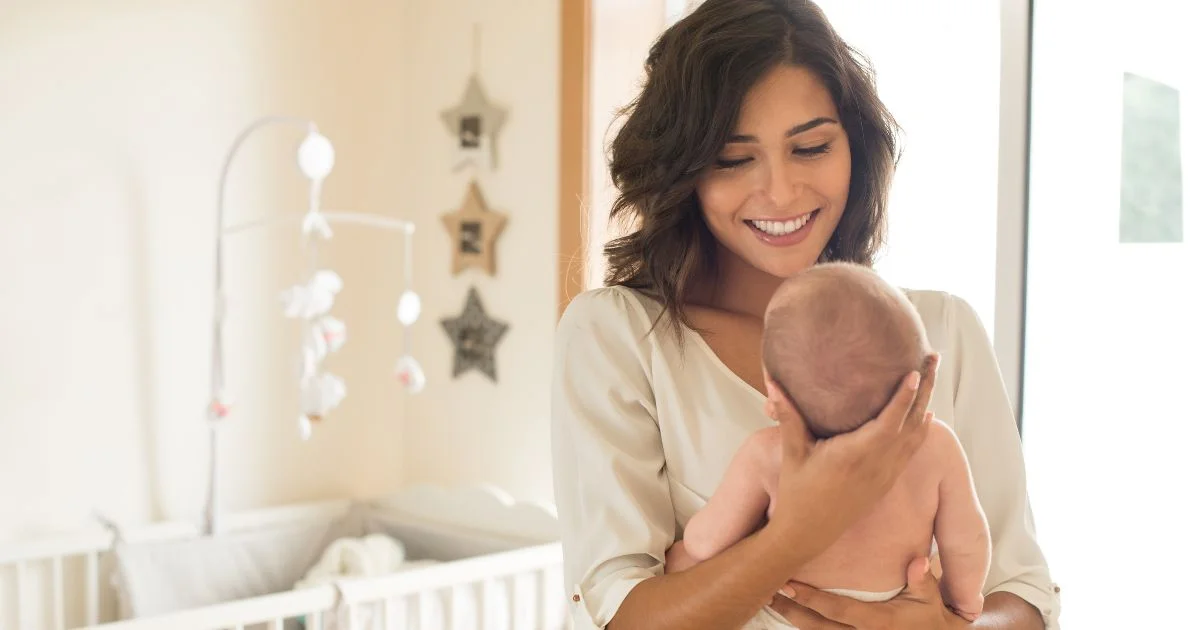
Attachment begins long before speech emerges. It is woven through daily bodily exchanges, a shared gaze, a hand resting on the skin, a breathing rhythm that slowly synchronizes over the first years of life. Before language and before the child can shape any form of self narrative, there is skin to skin contact, the cadence of shared respiration, the pressure of a hand on the back, the way a parent carries, holds, or comforts. These actions appear simple but they are saturated with affect and they literally shape the developing brain.
Psychomotricity highlights that this construction of attachment is not only psychological in the sense of conscious representations. It is first and foremost embodied. The body carries a form of communication that is primary and implicit. It is built from sensations, levels of muscular tone, and rhythms through which early feelings of safety, or sometimes traces of insecurity, take form.
🔗Explore further: How early experiences build our emotional and cognitive world
How the infant brain builds itself through relationship
At birth the brain already contains most of its neurons, but the architecture of their connections is still unfinished. During the early years, synapses multiply at an extraordinary pace. The formation or elimination of these connections is not dictated solely by genes. It is guided above all by repeated experiences that shape neuronal networks. Among these foundational experiences, the relationship with attachment figures plays a central role.
Early interactions carve literal pathways inside the brain. The more a gesture is repeated such as holding, rocking, or exchanging a look, the more it becomes embedded in neural circuits. Sensitive periods amplify this effect. Attention, emotional regulation, and social abilities develop at remarkable speed and are shaped by the quality of early relational exchanges.
Oxytocin, often referred to as the attachment hormone, plays a key role in this process. Beyond being a messenger of connection, it strengthens the emotional value of social stimuli. Touch, breastfeeding, and a warm gaze trigger oxytocin release in both parent and child. This promotes relaxation, closeness, and relational pleasure. The resulting biological loop creates a virtuous cycle. Because contact soothes, the child seeks it, and this seeking increases the parent’s availability, since the relationship itself becomes a source of well being.
🔗 Read also: Before morality: The natural roots of altruism
When stress arises, another system is activated: the hypothalamic pituitary adrenal axis which releases cortisol. Frequent or poorly regulated elevations of cortisol can disrupt neuronal maturation in infants. Reassuring interactions especially those involving touch and rhythmicity dampen these rises and teach the body biological pathways for returning to calm. Psychomotricity contributes directly to this long term calibration of the stress axis by providing structured and soothing bodily experiences.
The autonomic nervous system complements this regulatory framework. It comprises two branches. The sympathetic branch mobilizes energy, while the parasympathetic branch supports recovery. The vagus nerve, central to the parasympathetic system, plays a key role in social regulation. High vagal tone is associated with better self calming, listening capacities, and social engagement. Early bodily interactions including rocking, rhythmic vocalizations, and skin to skin contact stimulate vagal activity and progressively teach the child to soothe from within.
When a parent imitates an expression, a gesture, or a breathing rhythm, the child receives more than a motor signal. They perceive the recognition of their inner state. Mirror neuron systems which activate both during action and during the observation of a similar action support this implicit sharing. They form the basis of early empathy and allow the child to feel, before they can articulate it, that they are understood and acknowledged.
Attachment is therefore shaped through distinct sensory channels:
• Tactile inputs such as skin to skin contact and gentle stroking regulate stress and trigger oxytocin.
• Vestibular inputs from rocking and carrying provide cues about balance, rhythm, and motor safety.
• Proprioceptive inputs such as pressure and holding give internal boundaries and a sense of bodily coherence.
• Auditory inputs such as the parent’s voice, singing, and intonation structure and synchronize interaction.
The richness and consistency of these stimulations shape the neuronal dialogue between parent and child. Every shared interaction and every coordinated movement becomes a building block of attachment and a step toward organizing the social brain.
🔗 Explore further: The tragic brain of Victor the wild child
Psychomotricity in everyday practice
Psychomotricity offers a range of interventions that place the body at the heart of the relationship. It does not replace speech. It precedes it, prepares it, and supports it. Gestures become a medium of expression, a form of communication, and an instrument of emotional regulation.
Muscle tone, for example, is a true form of language. Persistent hypertonia may reflect diffuse anxiety, while hypotonia often signals a difficulty with internal structuring. Psychomotricians teach parents how to read these bodily cues. The way a child clenches their fists, the rigidity of their shoulders, the pace of their breathing, or the direction of their gaze all become informational signals. These indicators guide relational adjustments such as responding to tension with appropriate touch, offering rhythmic rocking, or providing firm holding.
Consider a concrete example. If an infant tenses up during contact, the parent may take a stable seated position, hold the baby against their torso with knees raised to create a secure cradle, then apply gentle alternating pressure on the back and shoulders for two or three minutes while synchronizing their breathing with the child’s breathing. This simple protocol supports gradual sensory entry and invites relaxation rather than withdrawal or heightened tension.
Rhythmic exercises and carrying techniques form another pillar of psychomotricity. Repetitive movements such as rocking, slow stepping, or soft dance regulate nervous system activation. When carried in a respectful and secure setting, the child receives vestibular and olfactory cues while staying close to the parent’s voice. This bodily synchrony strengthens the sense of safety. Psychomotricians often introduce progressive playful sequences such as airplane play, lateral carrying, or gentle dance movements which build trust and shared enjoyment.
Massage is not merely a wellness technique. It is an affective mediation. Massaging an infant’s palms, hands, or feet with slow, firm, predictable movements enhances body perception and conveys a sense of being welcomed. Psychomotricians teach simple routines of five to ten minutes with steady rhythm, clear target zones, and recognition of overstimulation signals.
In more vulnerable contexts such as postpartum depression, prematurity, or trauma, the role of the psychomotrician extends far beyond technical guidance. They offer a containing presence, model attuned gestures, regulate the timing of exchanges, and accompany parents until they regain confidence in their own resources. Interventions often progress through observation, demonstration, tactile guidance also called shadowing, and finally parental autonomy. The goal remains consistent. It is to restore the parent’s ability to perceive, respond, and repeat the soothing gestures that anchor attachment.
🔗 Discover more: The moving mind: Why psychomotricity builds more than muscles
Learning to calm down, to focus, and to act without rushing are competencies the body integrates long before the child can name them. These early embodied learnings leave lasting traces in frontal circuits and emotional regulation networks. Every motor success reinforces the sense of unity between intention and action. When a child manages to keep their balance, throw a ball, or control a fine movement, they experience the alignment between desire and action. These embodied experiences nurture self confidence far more effectively than verbal praise.
The body does not merely execute thought. It shapes it, directs it, and stabilizes it. By linking action, emotion, and cognition, it becomes one of the most powerful foundations of psychological development.
How early care creates lasting calm
Thinking about attachment only through words, stories, or conscious representations gives an incomplete picture. Attachment is enacted through the body. Touch, rhythms, pressure, breathing patterns, and the regularity of gestures create a bodily memory that organizes the social brain. Psychomotricity reveals these implicit processes and turns them into usable therapeutic tools. It offers parents gestures, rhythms, and games that become restorative and developmental routines.
Investing in these practices means investing in a child’s emerging cortex, in their regulatory systems, and in their future relational capacities. It also provides parents with concrete tools to be present, reassuring, and confident. The body is not a passive support. It is the first alphabet through which attachment stories are written.
References
Bosmans, G., et al. (2020). A learning theory of attachment: Unravelling the black box. Current Opinion in Psychology.
Cassidy, J. (2013). Contributions of Attachment Theory and Research. Annual Review of Psychology.
DeLaMare, S. (2023). Oxytocin and Attachment Development. Family Perspectives.
Feldman, R. (2017). The Neurobiology of Human Attachments. Trends in Cognitive Sciences.
Izaki, A., et al. (2024). A narrative on the neurobiological roots of attachment (Nature publication).
McIntosh, J. E., et al. (2024). Infant and preschool attachment, continuity and relationship to parental caregiving behaviour. Journal of Child Psychology and Psychiatry.
Naeem, N., et al. (2022). The Neurobiology of Infant Attachment-Trauma. Frontiers in Behavioral Neuroscience.
Perry, R. E., & Sullivan, R. (2017). Neurobiology of Infant Attachment. Annals of the New York Academy of Sciences.
Scatliffe, N., Casavant, S., Vittner, D., & Cong, X. (2019). Review: Oxytocin and early parent–infant interactions: A systematic review of human studies. Early Human Development.
van Londen, W. M., et al. (2007). Attachment, cognitive, and motor development in adopted infants.Journal of Pediatric Psychology.

Saad Chraibi
Psychomotor Therapist
• A graduate of Mohammed VI University in Casablanca, currently practicing independently in a private clinic based in Casablanca, Morocco.
• Embraces a holistic and integrative approach that addresses the physical, psychological, emotional, and relational dimensions of each individual.
• Former medical student with four years of training, bringing a solid biomedical background and clinical rigor to his psychomotor practice.
• Holds diverse professional experience across associative organizations and private practice, with extensive interdisciplinary collaboration involving speech therapists, psychologists, neuropsychologists, and other healthcare professionals.
• Specializes in tailoring therapeutic interventions to a wide range of profiles, with a strong focus on network-based, collaborative care.
• Deeply committed to developing personalized therapeutic plans grounded in thorough assessments, respecting each patient’s unique history, pace, and potential, across all age groups.