The feminine body under persistent tension
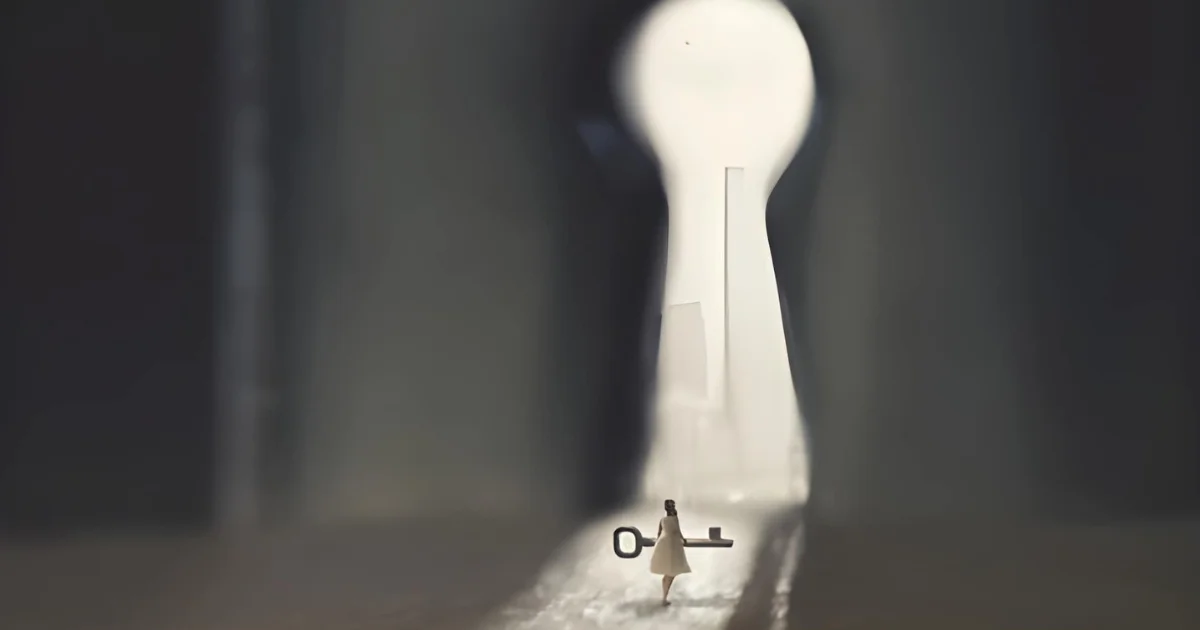
Today’s female body carries a silent tension that does not appear in statistics but is inscribed in every muscle fiber, every heartbeat, every held breath. This is not pathology in the strict medical sense. It is a continuous adaptation to a demanding environment, to a society that tolerates neither slowness nor pause. Diffuse, recurrent, and insidious stress activates the hypothalamic–pituitary–adrenal axis, leading to chronic cortisol elevation and altering synaptic plasticity in key brain regions such as the hippocampus and the prefrontal cortex. Dopaminergic circuits, essential for motivation and the pursuit of pleasure, gradually erode under prolonged vigilance. Cardiac and circadian rhythms fragment, sleep becomes shallow, and hormonal cycles lose their stability. Over time, the body becomes the silent witness of chronic hypervigilance. Desire has not vanished. It is constrained, confined within an inner space that the external world refuses to respect.
When control silences pleasure
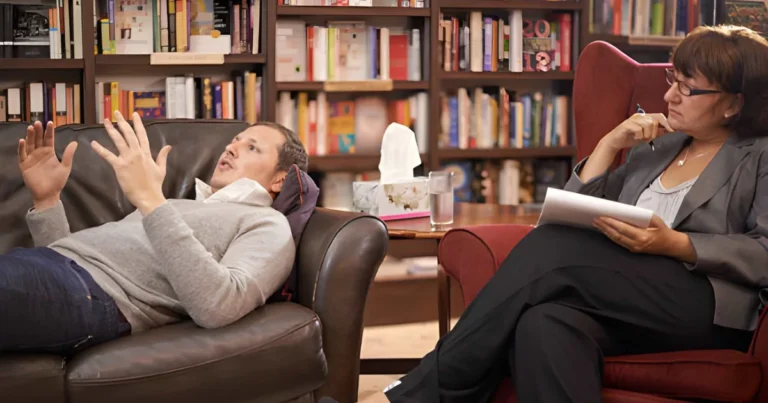
Mental load is not merely an abstract social concept. It is inscribed in the constant overactivation of brain regions dedicated to control, anticipation, and the regulation of others’ emotions. The prefrontal cortex, excessively recruited, becomes the site of fragmented attention, unable to allow reverie or libidinal momentum to circulate. The limbic system, which should host emotion, pleasure, and affective memory, remains functionally inhibited. Psychoanalytic theory describes this dynamic as a generalized symbolic maternity: excessive psychic investment in containing functions diverts energy away from enjoyment toward psychological survival. A feminine identity saturated by external demands can no longer invest the inner space required for vital impulse. Withdrawal of desire becomes an adaptive pause, an invisible yet tangible survival response.
When the autonomic nervous system remains locked in vigilance, when cortisol levels stay elevated and dopaminergic receptors lose sensitivity, the body no longer responds to the call of desire. Oxytocin, a key mediator of safety and attachment, can no longer fulfill its regulatory role. Patients report feeling undesirable, disconnected from their bodies, mentally alert while physically numb. This absence of desire is not a disorder. It is the outcome of a stable and enduring neurophysiological state. The feminine has not disappeared. It has been compressed, placed under tension, rendered silent.
🔗Read also: When trauma finds form through repetition
The biological limits of doing it all
Constraint does not arise solely from biological rhythms. It is reinforced by social and cultural injunctions. Women are expected to be efficient, independent, high-performing, available, and empathic, often simultaneously. This cumulative demand creates a paradoxical tension. The body cannot remain in permanent vigilance while also sustaining receptivity. The psyche cannot continuously contain others while remaining open to desire. The gap between social expectations and biological capacities generates an inner void, a silent space where desire can no longer emerge. The body and psyche withdraw to protect what is essential, the fragile core of a being under constant tension. Muscles remain contracted, the heart maintains a firm rhythm, thoughts loop endlessly, while relational connection fades. Pleasure ceases to be a horizon and desire becomes an abstraction. Sleep fragments and emotional circulation slows. The feminine becomes confined to a state of perpetual alertness, deprived of the conditions necessary for the emergence of vital impulse.
From hypervigilance to emotional integration
Neural plasticity offers clinical hope. The hippocampus and prefrontal cortex can regain flexibility and emotional integration when overload diminishes. Analytic therapy, combined with somatic and neurophysiological approaches, allows the gradual reactivation of dopaminergic and limbic circuits. As the feminine reclaims its capacity to invest its inner space, pleasure and desire can re-emerge as natural impulses rather than imposed demands. The body ceases to function solely as an instrument of adaptation and becomes once again the site of a living, autonomous subjective experience. This silent transformation challenges logics of performance and control and reminds us that inner life is as essential as external obligations.
Each woman carries her own history, rhythm, and wounds. However, points of support exist: acknowledging exhaustion, granting oneself permission to slow down, creating space to breathe, feel, and listen. Gradually, the body recovers its rhythm, the heart its steadiness. The psyche releases the weight of the world, the brain loosens its constant vigilance, and the mind regains lightness. Relaxation is no longer a luxury but a vital necessity.
The feminine is neither a social role nor a model to attain. It is an inner experience, a vibration, a living space. Perspective shifts once invisible overload and bodily silence are recognized. A reimagined feminine does not bend. It breathes, feels, and desires.
References
Anzieu, D. (1985). Le Moi-peau. Paris: Dunod.
Bassin, D., Honey, M., & Kaplan, J. (1994). Representations of Motherhood. New Haven: Yale University Press.
Chabert, C. (2003). Féminin mélancolique. Paris: Presses Universitaires de France.
Cyrulnik, B. (2019). La nuit, j’écrirai des soleils. Paris: Odile Jacob.
Freud, S. (1905). Trois essais sur la théorie sexuelle. Œuvres complètes de Freud, Vol. 7. Paris: Presses Universitaires de France.
LeDoux, J. E. (2012). Neuroscience of emotion and fear circuits. Annual Review of Neuroscience, 35, 1‑23.
Louv, O. (2018). Stress, cycle et désir féminin. Revue Française de Psychosomatique, 64(2), 112‑128.
McEwen, B. S. (2007). Physiology and neurobiology of stress and adaptation: central role of the brain. Physiological Reviews, 87(3), 873‑904.
Porges, S. W. (2011). The Polyvagal Theory: Neurophysiological Foundations of Emotions, Attachment, Communication. New York: W. W. Norton & Company.
Sapolsky, R. M. (2015). Stress and the brain: individual variability and the inverted-U. Nature Neuroscience, 18(10), 1344‑1346.

Flora Toumi
Psychoanalyst, Researcher at the Paris Brain Institute, and Doctor of Philosophy
Flora Toumi holds a PhD in Philosophy and is a neuropsychoanalyst and clinical sexologist specializing in resilience and post-traumatic stress disorder (PTSD). She works with both civilians and members of the French Special Forces and the Foreign Legion, using an integrative approach that combines Ericksonian hypnosis, EMDR, and psychoanalysis.
As a researcher at the Paris Brain Institute, she regularly collaborates with neuropsychiatrist Boris Cyrulnik on the processes of psychological reconstruction.
Flora Toumi has also developed an innovative method for PTSD prevention and founded the first national directory of psychoanalysts in France. Her work bridges science, humanity, and philosophy in a quest to unite body, soul, and mind.